OHBM Brain Hack: All You Need To Know
Writer: Steven Meisler
Editors: Alfie Wearn, Ashley Tyrer
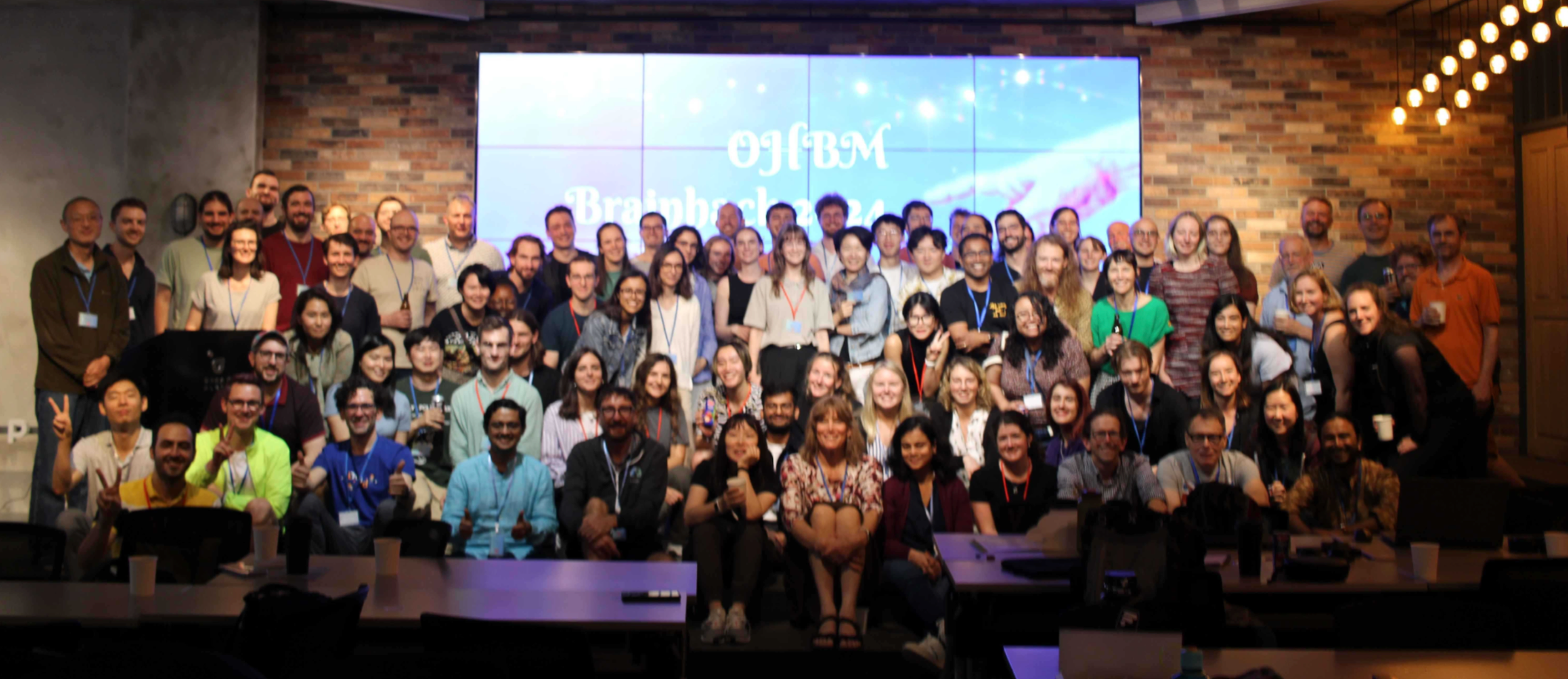
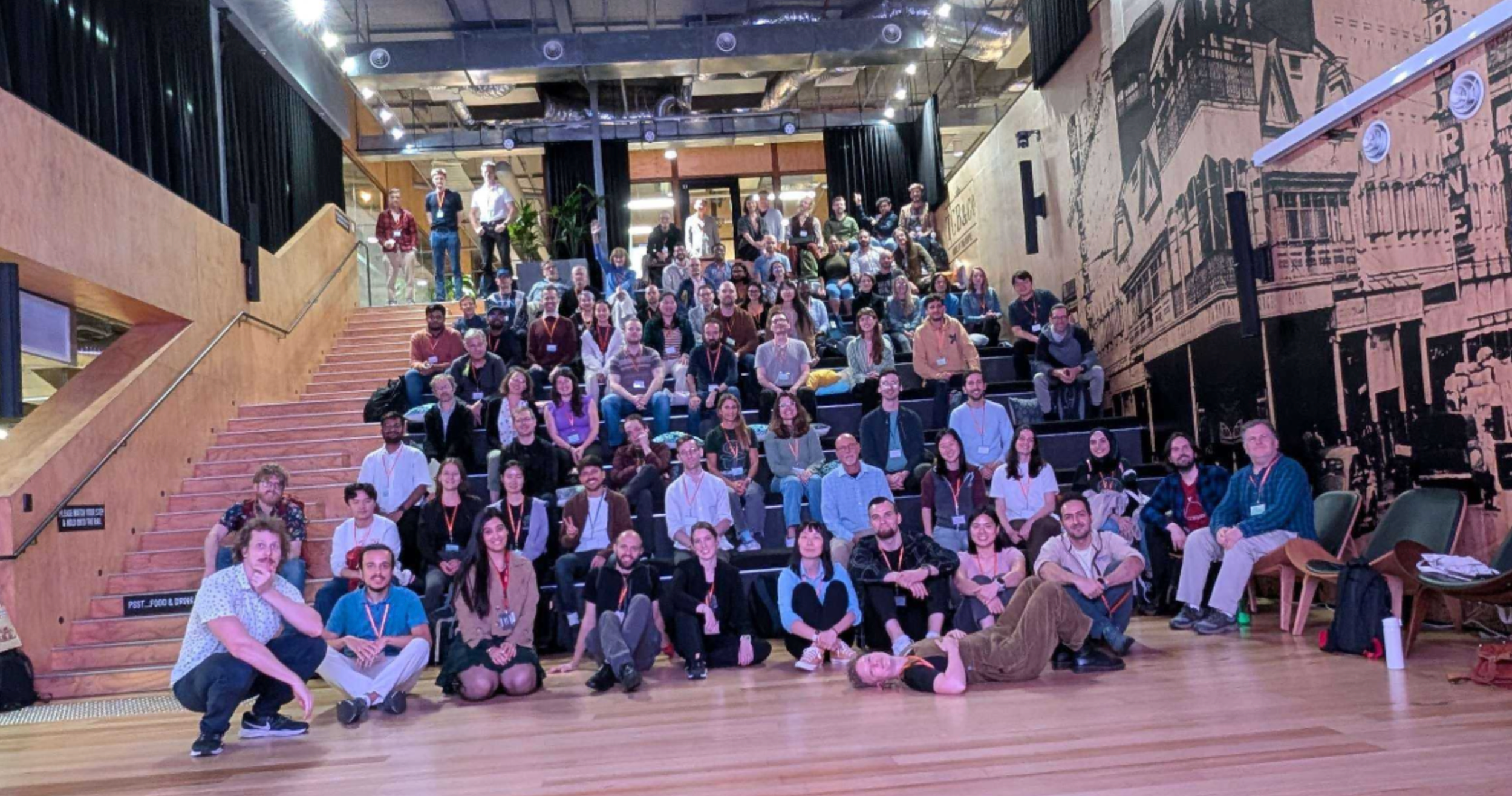
Going to your first BrainHack can feel daunting. For those who are new to OHBM BrainHack or don’t yet feel confident in their coding skills, it’s easy to wonder whether they’ll fit in at all. The Open Science Special Interest Group (OSSIG) of the Organization for Human Brain Mapping (OHBM) recognizes these concerns and strives to make the BrainHack – and open science more broadly – more accessible, collaborative, and inclusive. Through initiatives such as the Open Science Room (OSR) at the annual meeting and the OHBM BrainHack, OSSIG creates environments where researchers at all levels can learn, contribute, and connect. The BrainHack, typically held directly before the OHBM Annual Meeting as a satellite event, is a community-driven hackathon designed not only to build tools and advance research, but also to foster learning and participation in open science. With this in mind, OSSIG has made accessibility a central priority at BrainHack. Our approach is grounded in the simple idea that meaningful participation in open science only requires curiosity and a willingness to learn.
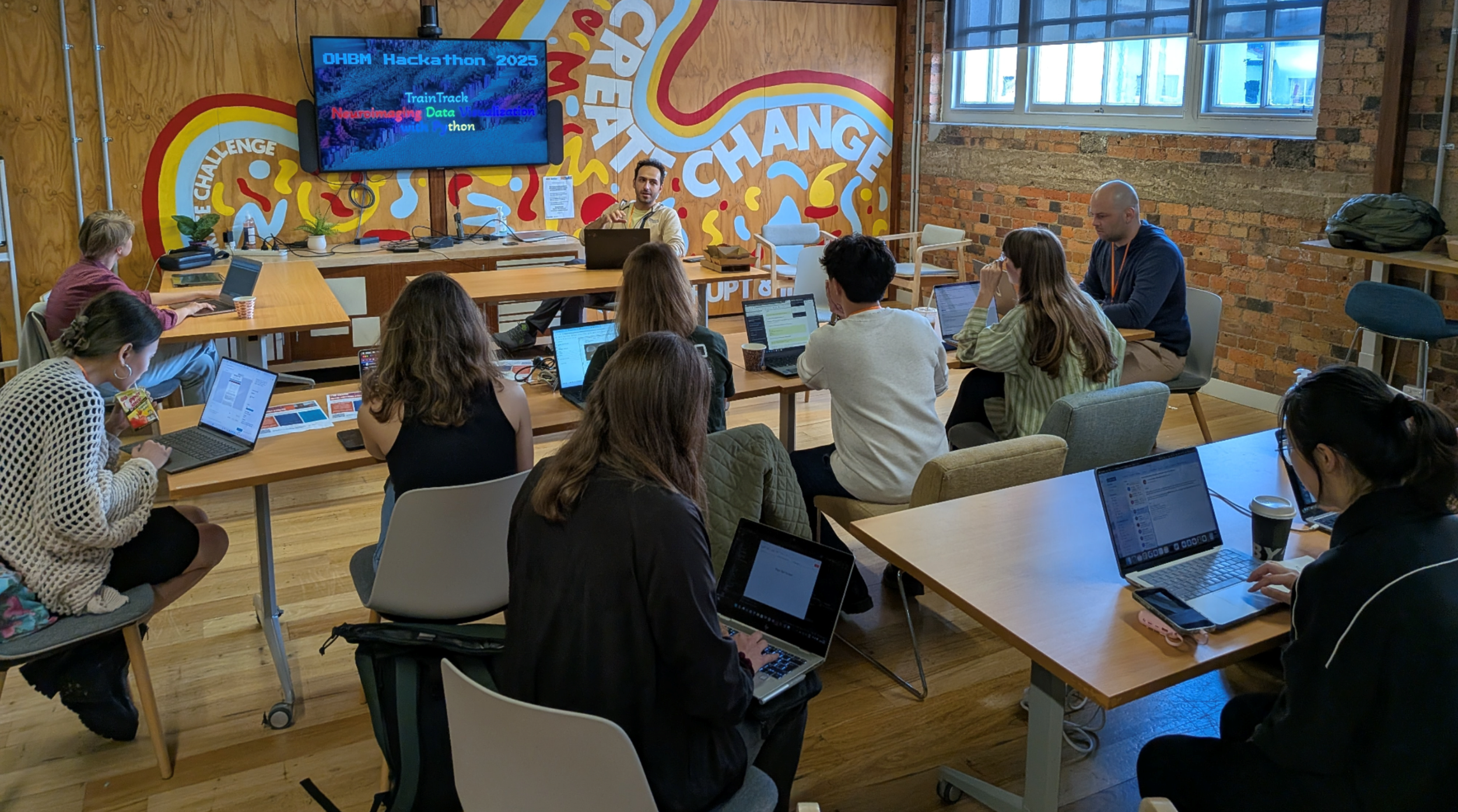
We have structured the BrainHack around this philosophy, introducing diverse programming to appeal to the broader community. The event is divided into two parallel tracks. The HackTrack describes the set of endeavours centered around collaborative project-based work, including coding and discussions. For those who are new to coding or are attending their first hackathon, the TrainTrack offers a parallel set of guided activities that introduce essential skills in a collaborative, low-pressure environment. Participants can learn practical basics, such as how to make a pull request on GitHub, while building confidence and familiarity with open science workflows. In addition, workshops and presentations throughout the hackathon provide additional ways to engage beyond writing code or documentation. Sessions like the neuroimaging statistics workshops help participants build foundational knowledge. Previous years have featured sessions on cutting-edge research and emerging tools, including industry presentations such as a company from Australia showcasing lab-grown neuron cells capable of simple responsive behavior. There have also been sessions highlighting new brain templates, algorithms, and research methods from groups around the world.
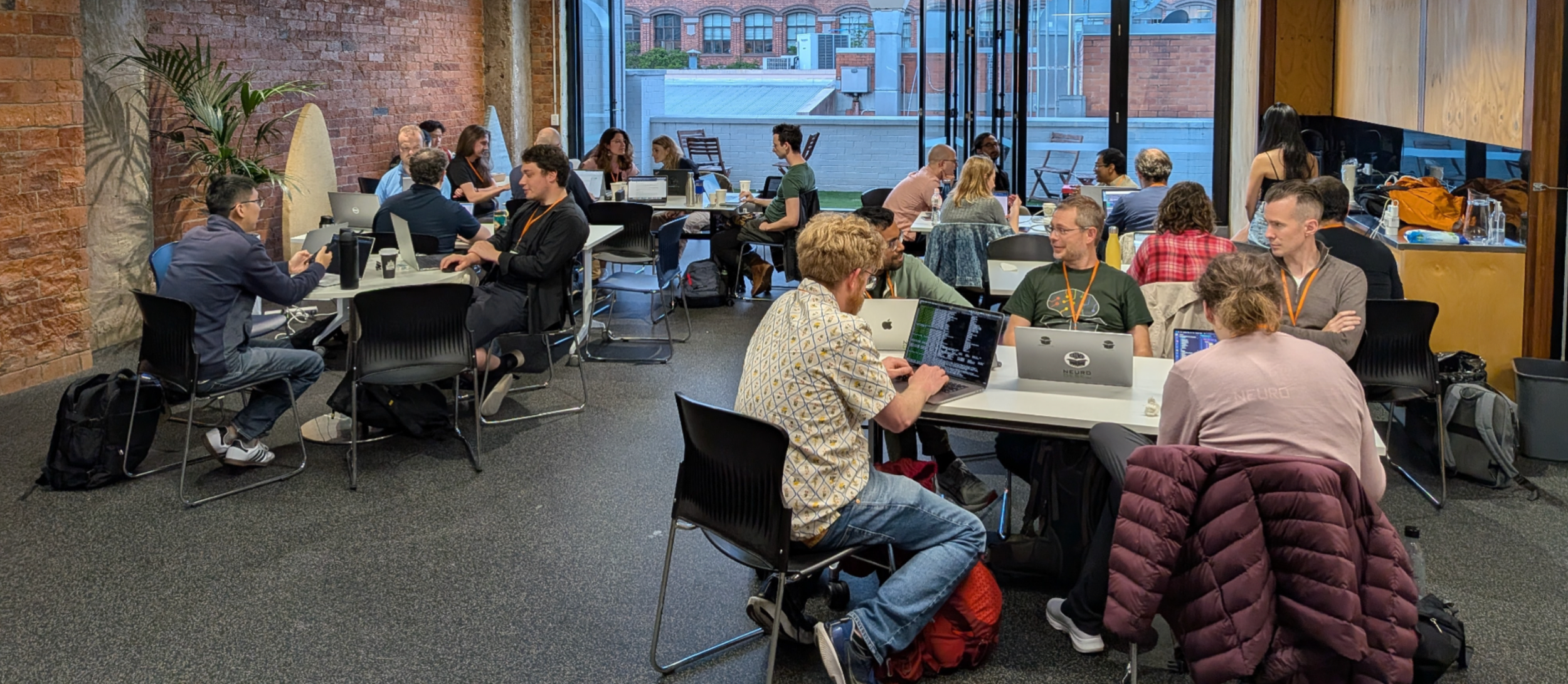
Importantly, success at BrainHack is not defined by the size or technical complexity of one’s contributions. For many first-time hackers, the most valuable takeaway from their experience is collaboratively exploring the space of open science: moving between projects, asking questions, observing how others work, and discovering their very own interests. Contributions themselves take many forms; writing code is just one of them. Participants contribute by reporting bugs, improving documentation, testing tools, sharing ideas, and together shaping the direction of projects. Some projects are not code-focused at all, but instead center on discussion and community decision-making. These discussions have, for example, focused on agreeing on how neuroimaging data should be organized and shared (such as developing community standards like BIDS), or collaboratively defining best practices for emerging analysis workflows. Open science thrives on diverse forms of input, and community tools cannot be built without community voices.
To further support newcomers, OSSIG organizes a Buddy System that pairs first-time hackers with more experienced community members. Buddies check in throughout the event, offering guidance, answering questions, and helping newcomers feel oriented and included. Beyond this formal structure, the BrainHack community itself is deeply collaborative. Participants are eager to help one another. After all, the tools developed at BrainHack are sustained by communities, not individuals.
By intentionally lowering barriers to entry and fostering a collaborative culture of open science pedagogy, OSSIG helps ensure that BrainHack is a space where anyone can participate. In doing so, we are not only supporting individuals, but strengthening the open science community as a whole. If you are interested in learning more about the OHBM OSSIG and registering for OHBM BrainHack, please visit our website at https://ossig.netlify.app/. We look forward to welcoming you to OHBM BrainHack!