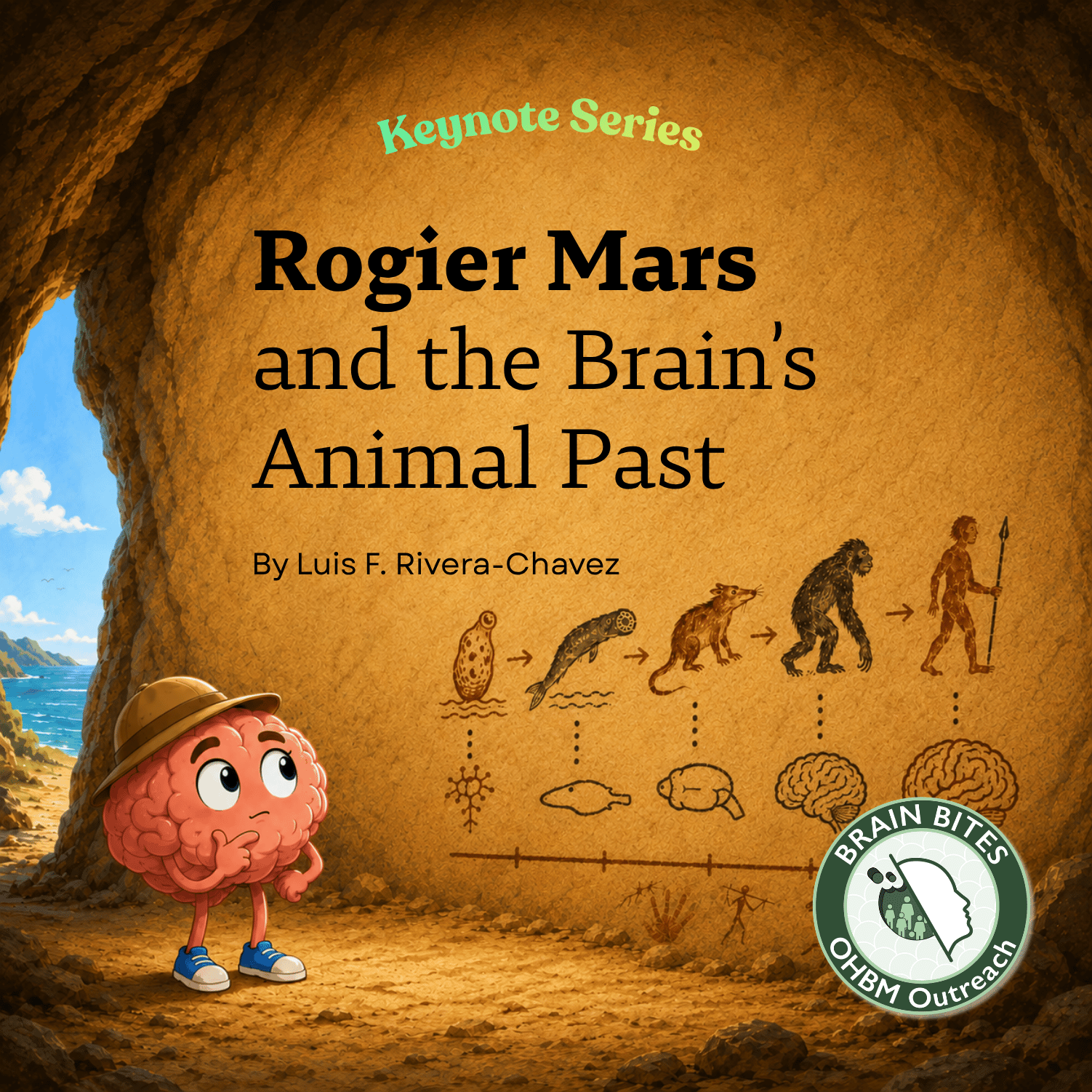
Rogier Mars and the Brain’s Animal Past
Evolution does not design perfect machines, that’s for sure. It works with what is already there, modifying old systems for new problems. The same alarm system that can protect us can also become too sensitive, turning uncertainty into fear and possibility into threat. In that sense, anxiety is a powerful reminder of something broader. To understand the brain, we need to understand where it came from.
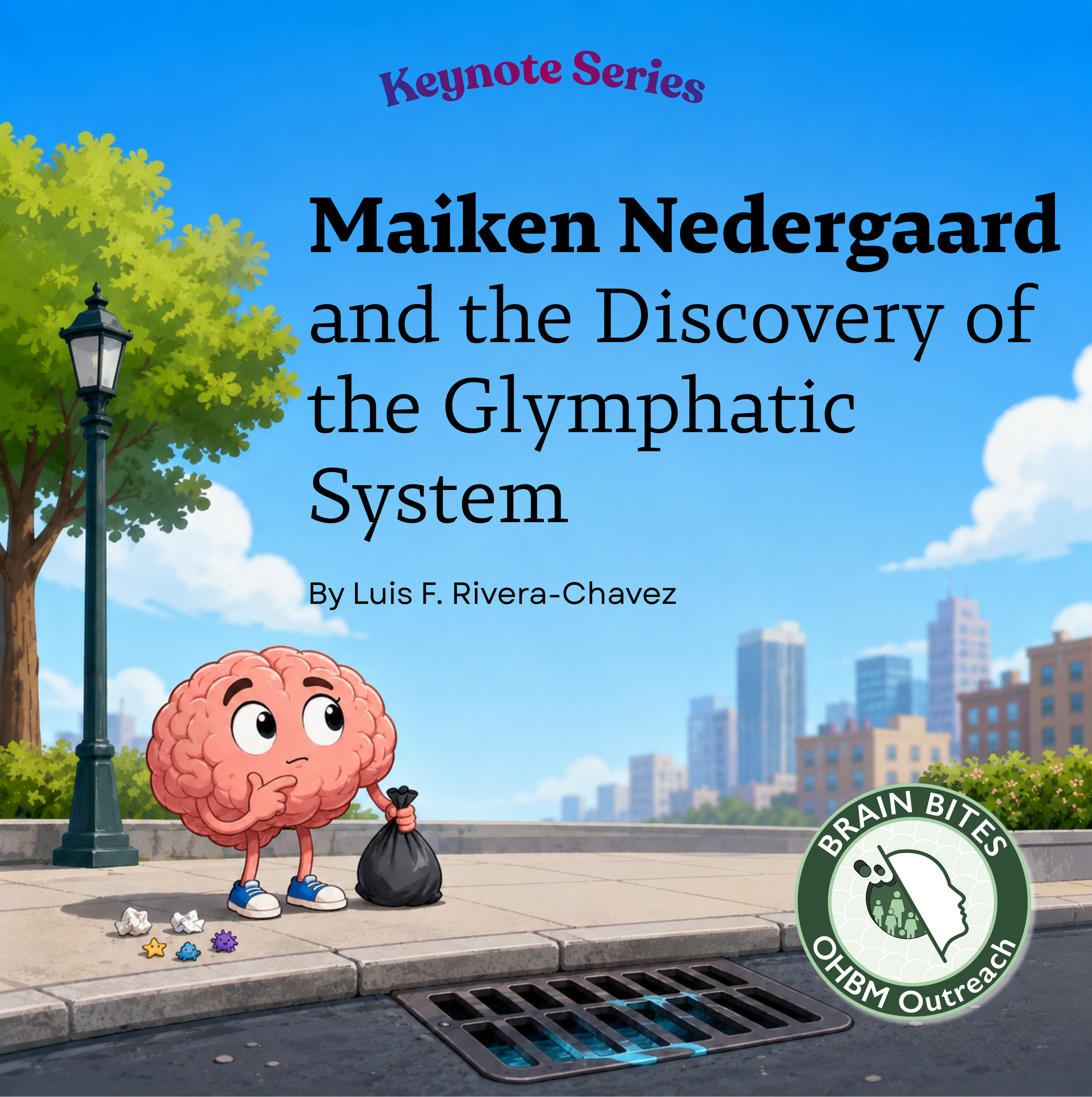
Maiken Nedergaard and the Discovery of the Glymphatic System
We usually do not think much about waste removal until it stops working. A city without sewers would quickly become unlivable. Just like a city has sewers, most tissues in the human body have lymphatic vessels that help clear fluid, proteins, and waste products. But for a long time, scientists faced a puzzle. The brain, one of the most active organs, did not appear to have these lymphatic vessels. The brain seemed to have a way to clear solutes. The question was, through which door?
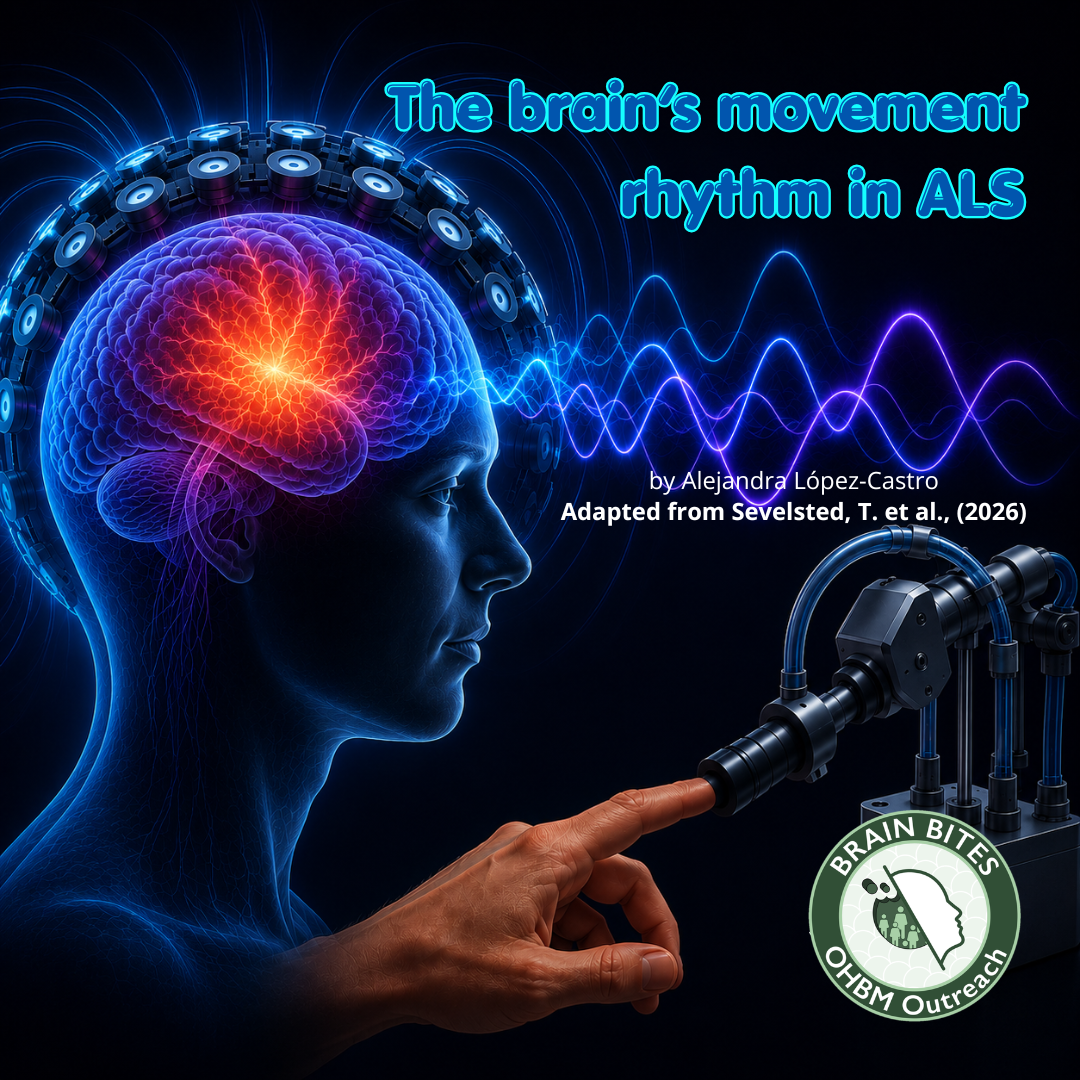
The brain’s movement rhythm in ALS
A new neuroscience study reveals that ALS may alter the brain’s movement rhythms long before movement is completely lost. Using MEG brain imaging, researchers found that patients with muscle weakness showed reduced beta-wave modulation, even during passive movement. The findings open the door to new ways of tracking ALS progression through brain activity itself.
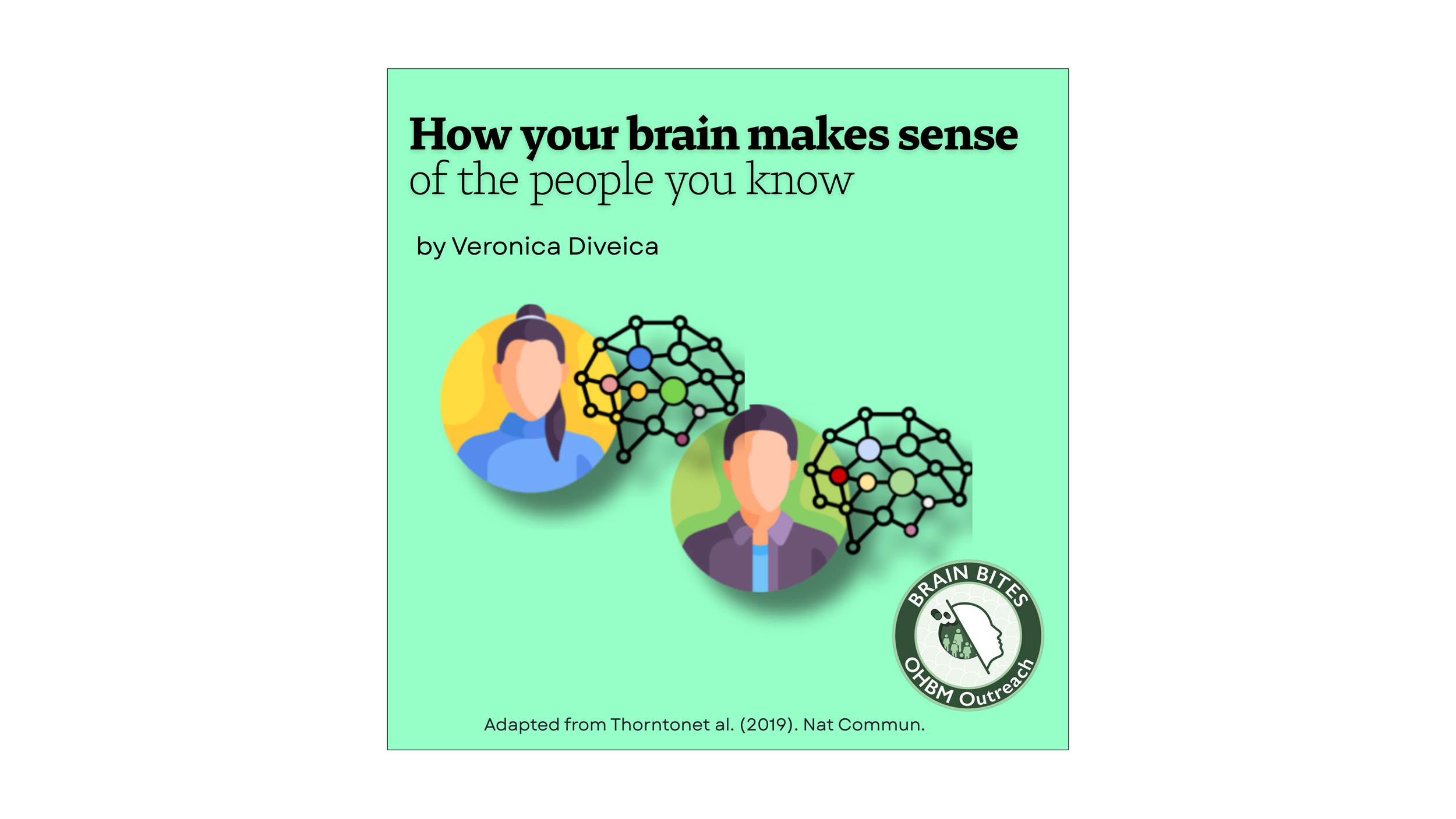
How Your Brain Makes Sense of the People You Know
Interacting with people you know often feels natural. You might sense that your friend is nervous before giving a presentation, or that your sibling is joking even when their words sound serious, and you might know just how to respond. But reading minds to guide our actions is anything but simple. We can’t directly see what others are thinking or feeling, so we make guesses about others’ inner states from subtle, sometimes ambiguous clues, such as a glance, a posture, or a choice of words. How do we keep track of what different people are like and use that knowledge in the moment?
A new frame for psychiatry promises an optimistic picture
The truth is that psychiatry has had significant advances, mainly due to new technologies that have allowed a better understanding of conditions. However, the fight is far from over. We haven’t yet produced a framework that clearly links brain mechanisms to symptoms. Without that link, it’s hard to explain why people respond differently to the same treatment. That’s why Lee and colleagues are proposing a new framework to better approach psychiatric disorders. One that would hopefully translate into improving patients’ lives.
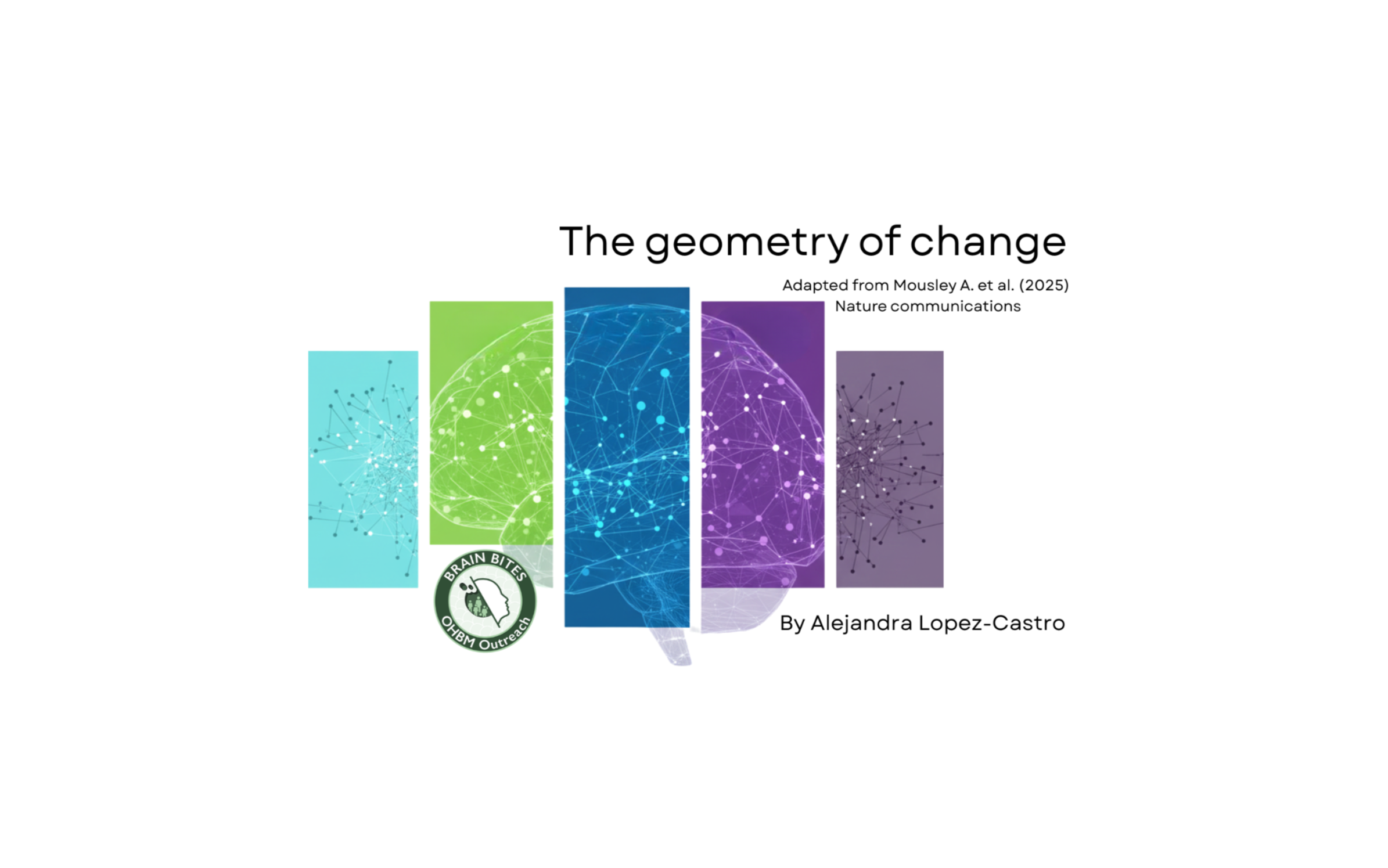
The geometry of change
A Nature Communications study identified five distinct structural phases of human brain development, refuting the gradual decline model. Using advanced mathematical topology to analyze network organization, researchers detected topological turning points separating the epochs: Early Childhood (rapid growth), Adolescence (intense refinement), Adult Mode (stable, starts ~30), Early Aging (reorganization, starts ~66), and Late Aging (final remodeling, starts ~83). This "five-epoch" model offers a new framework to assess topological age, improving diagnosis and prediction of neurodegenerative conditions.
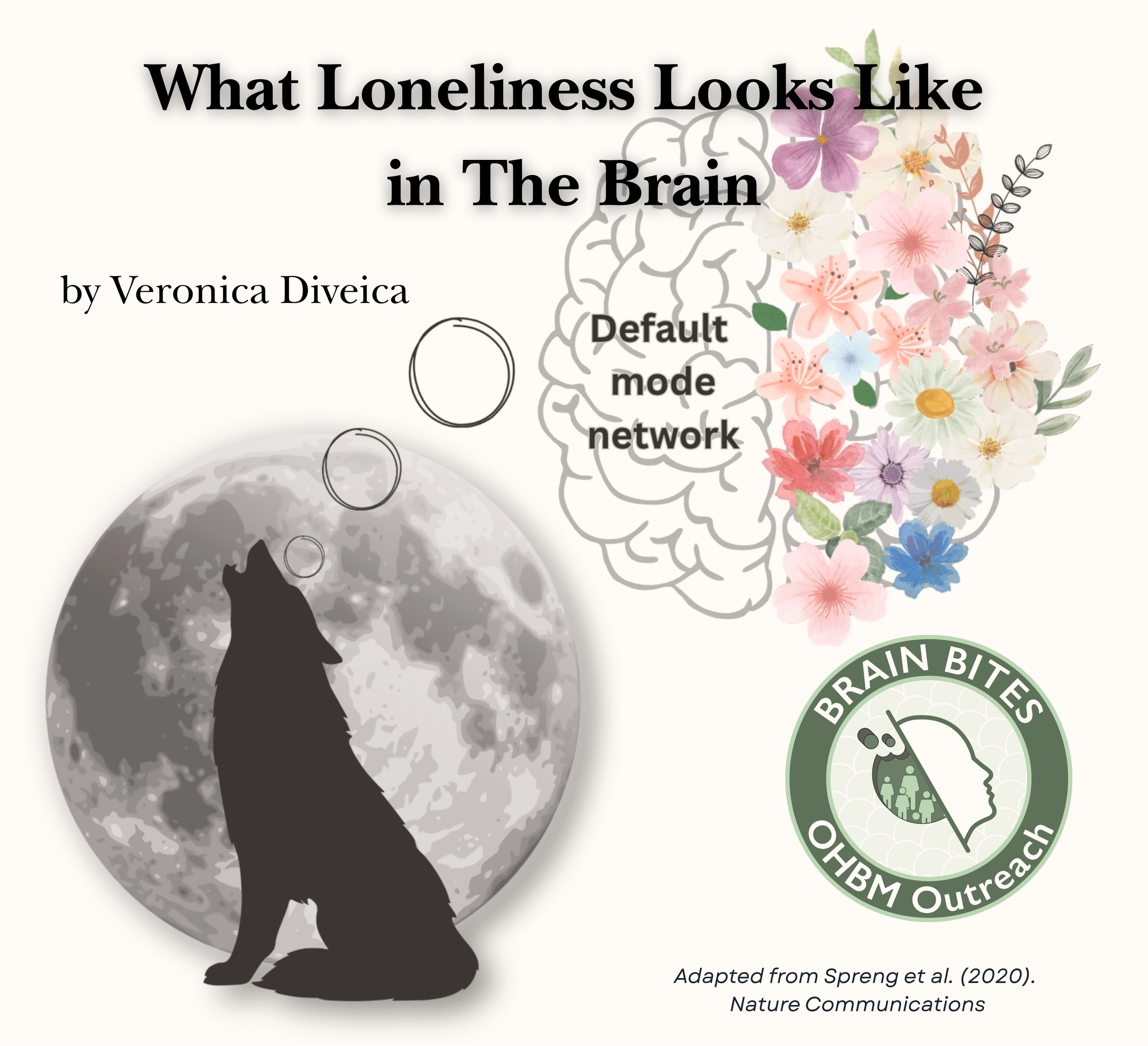
What Loneliness Looks Like in the Brain
When our social needs aren’t met, we feel lonely. Loneliness isn’t simply about how much time we spend alone or how many friends we have. It’s the feeling that our social connections — in either quantity or quality — fall short of what we want.
To better understand loneliness, a team of researchers led by Professor Spreng examined how it manifests in the brain. They compared people who reported feeling lonely often with those who did not, using three different types of brain measures — each offering a unique perspective on how loneliness manifests in the brain.

Rewiring Hope: A Custom-Fit Approach to Depression
When you break a bone, it’s easy to point to the problem and where to fix it. With a brain tumor, you need an image of the brain to locate it. Some tumors are harder to remove than others, but it is possible to see exactly where the trouble is. Depression, however, is different. It isn’t caused by something you can see on a scan. Instead, it comes from faulty connections that are spread diffusely throughout the brain. According to a recent study, custom-fit brain stimulation, through a technique known as transcranial direct current stimulation (tDCS) might give doctors a new tool to fine-tune the brain’s wiring.
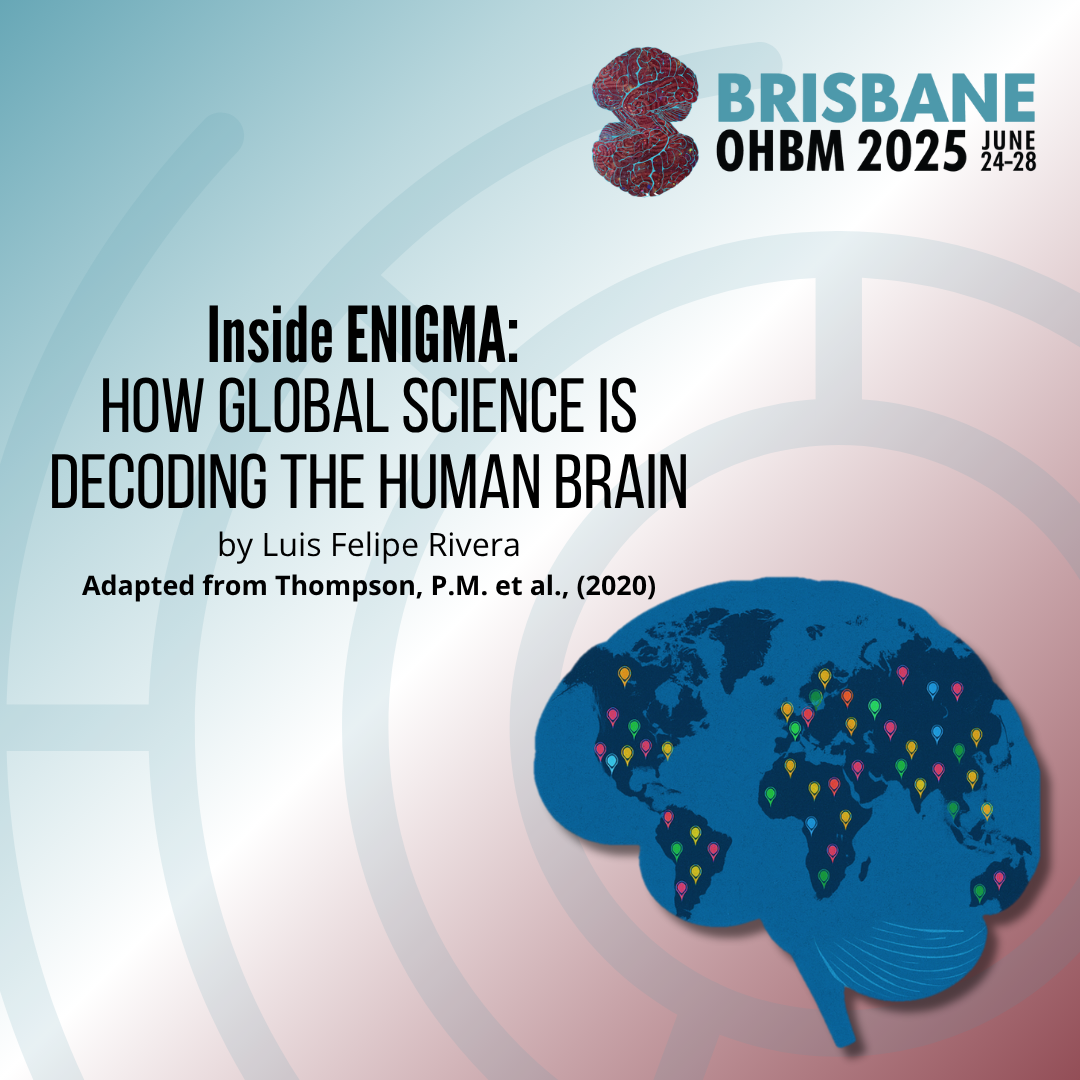
Keynote series Dr. Paul M. Thompson - Inside ENIGMA: How Global Science Is Decoding the Human Brain
The ENIGMA Consortium is a global neuroscience initiative launched in 2009 that unites over 2,000 scientists across 47 countries to investigate how genetic variation and brain structure relate to neuropsychiatric disorders. By analyzing more than 200,000 brain scans and millions of genetic variants using standardized protocols, ENIGMA has produced the largest MRI studies of conditions like schizophrenia, depression, and autism. Its distributed model allows local data control while enabling large-scale meta- and mega-analyses, revealing subtle genetic influences and setting new standards for reproducibility in neuroscience. Through collaboration, ENIGMA continues to uncover hidden patterns and expand the frontiers of brain research.
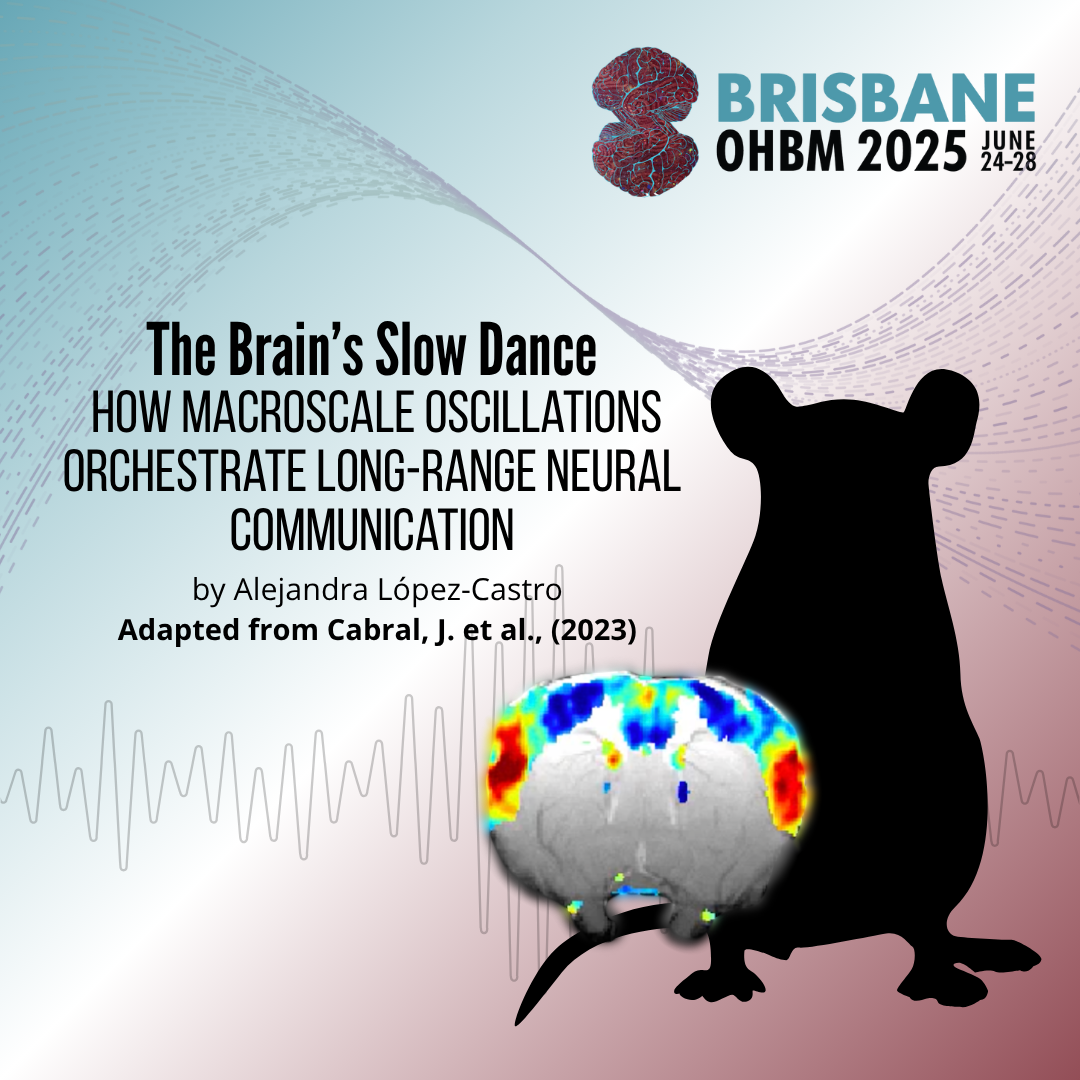
Keynote series Dr. Joana Cabral - The Brain’s Slow Dance: How Macroscale Oscillations Orchestrate Long-Range Neural Communication
A groundbreaking study led by Dr. Joana Cabral (University of Minho) reveals how slow, brain-wide oscillations—detected via ultrafast fMRI—coordinate long-range neural communication in female rats. These rhythmic waves (below 0.1 Hz) mirror human resting-state networks like the default mode system, suggesting a universal mechanism for cognition. By focusing on female subjects, the research highlights potential sex differences in brain dynamics while offering new clues about disorders like Alzheimer’s, where disrupted slow waves may play a key role. This work reshapes our understanding of how the brain’s "slow dance" synchronizes its vast networks—opening doors to future therapies.

Keynote series Dr. Anqi Qiu - How a Mother’s Happiness During Pregnancy Shapes Her Child’s Brain
Positive maternal mental health during pregnancy—marked by happiness, balance, and life satisfaction—is linked to larger hippocampal volumes and stronger brain connectivity in children, leading to better emotional and cognitive outcomes. This longitudinal study highlights the importance of nurturing psychological well-being as a crucial element of prenatal care.

Keynote series Dr. Melanie Boly - The Nature of Consciousness: A Clash of Paradigms in Integrated Information Theory
Dr. Melanie Boly's keynote explores the deep divide between two views of consciousness—formalist vs. biological—centered around Integrated Information Theory (IIT) 4.0. While IIT aims to quantify consciousness through a mathematical metric called Φ, Boly warns that it may mistake complex artificial systems for truly conscious beings. She emphasizes the need to distinguish genuine biological consciousness from pseudo-consciousness and argues that subjective experience might depend on mechanisms IIT cannot yet capture. Her talk invites reflection on whether consciousness is computable—or inherently tied to life itself.
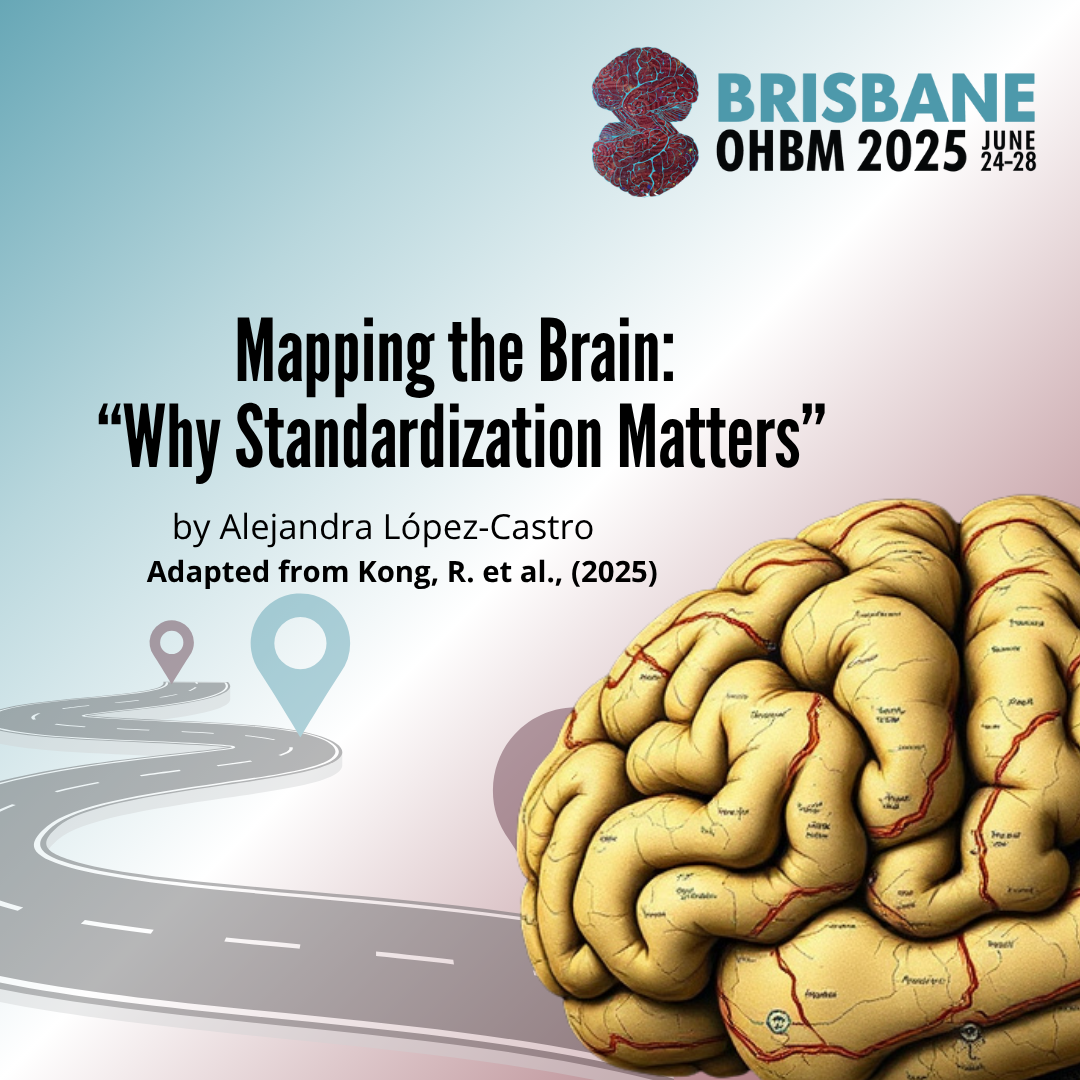
Keynote series Dr. Lucina Uddin - Mapping the Brain: Why Standardization Matters
The Network Correspondence Toolbox (NCT) helps neuroscientists compare brain imaging data across different atlases, addressing inconsistencies in how brain networks are labeled. Developed by Dr. Lucina Q. Uddin and Dr Yeo team, these tools enhance reproducibility with features like Dice coefficients and spin tests, making brain research more standardized and reliable.

Keynote series Dr. Adeel Razi — How does psilocybin rewire our brains?
This study examines the effects of psilocybin on brain connectivity using fMRI and EEG, revealing increased activity in regions tied to cognition, emotion, and imagination while reducing sensory processing, leading to a blended state of "embeddedness." Machine learning analysis linked structured brain activity to stronger psychological effects, with long-term changes in perception and acceptance of mortality observed a month later. Context was crucial, music enhanced emotional depth, while meditation had no significant impact. On a neural level, psilocybin altered brainwave patterns, promoting more flexible and creative processing, emphasizing the importance of environmental factors in shaping psychedelic experiences.

Keynote series Dr. Sharna Jamadar — Seeing the aging brain in a new light: “The power of fPET imaging”
Dr. Sharna Jamadar’s keynote sheds light on a promising new lens for understanding cognitive aging: the brain’s energy economy. Through her work with functional PET (fPET) imaging, Jamadar and colleagues demonstrate that changes in how brain regions coordinate energy use—known as metabolic connectivity—are strong predictors of cognitive decline.
Pushing the boundaries: the breakthrough of 11.7 Tesla high-field magnetic resonance imaging
Imagine trying to understand a complex machine without ever being able to see its intricate inner workings. That's a bit like how scientists have been studying the human brain – a marvelously complex organ – until now. In contrast with Brain Bite's: “Accessible brain scanning for Alzheimer’s disease”. We travel to the other side of the magnetic field matter, in the company of the most powerful MRI scanner ever made.
Accessible brain scanning for Alzheimer’s disease
Alzheimer’s disease (AD) is the most common cause of dementia in the world and research has been able to identify brain changes associated with the degenerative process of the disease. Moreover, we now know these changes might be observed in brain scans at the onset of the mildest symptoms or even years before. Even though current treatments are limited, one thing has become clear, the sooner treatment is started the more effective it is. The problem is that brain scanning is not as easy – or cheap – as it might sound. Low-field MRI could be an option for disorders like Alzheimer's disease.
Every patient is different, and so are their brains
A recent study published in Communications Biology by Timothy Lawn and colleagues sought to better understand how brain molecular circuits relate to different symptoms in schizophrenia, bipolar disorder, and attention-deficit hyperactivity disorder (ADHD). Treatment for these three conditions relies on modifying how neurons communicate with one another by making changes in the so-called neurotransmitter systems. Hence, the authors chose a neuroimaging approach called Receptor-Enriched Analysis of functional Connectivity by Targets (REACT) to investigate how neurotransmitter systems influence brain connectivity.
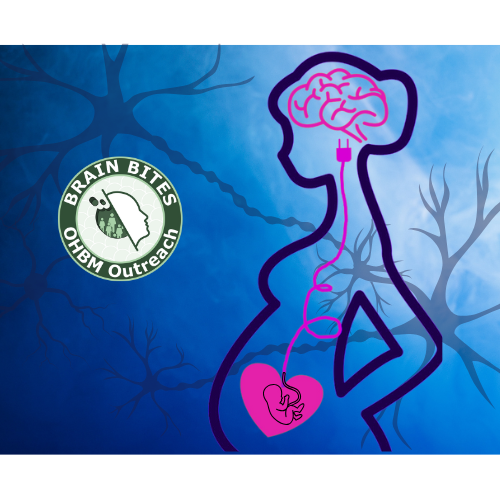
What happens to a mother's brain during pregnancy?
Pregnancy is a natural and remarkable process where human life begins and grows. It’s not just about the baby; it’s also an exciting journey for the mother. Along with her body, her brain goes through many changes to support the baby’s development.
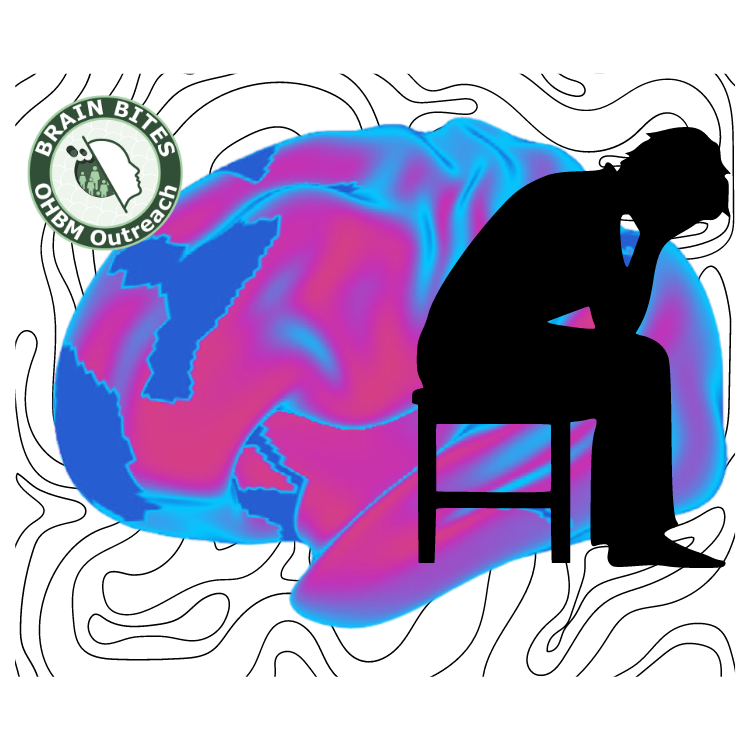
Brain imprints in the prediction of risk and symptoms of depression
Depression is like a persistent cloud that hangs over someone's emotions and thoughts. It's not just feeling sad occasionally; rather, it's a complex mental health condition characterized by prolonged feelings of sadness, hopelessness, and loss of interest in things that used to bring joy. Even though the symptoms of depression might come and go, a recent study published in Nature by Charles J. Lynch and colleagues, suggests that the way the brain is wired may remain the same throughout life, even when someone is not feeling depressed. So how does the brain change and how are the connections between different brain regions stronger or weaker?